Adequate preparation for strong performance in an interview is often underestimated by applicants. Remember that you are competing for a position and in order to stand out as the best candidate you will need to speak confidently about yourself as well as the position and organization to which you are applying.
-
Do your homework.
Invest time in researching the company or organization and carefully reviewing the job description. Be prepared to make it easy for an employer to see why your specific skills match what they’re asking for and how you are a good match overall for their company or organization.
-
Cover the top 10 attributes that employers are looking for.*
Be sure to assess your strengths in these categories and weave them into prepared answers for anticipated questions during your interview.
- Communication Skills (verbal)
- Strong Work Ethic
- Teamwork Skills (works well with others)
- Analytical Skills
- Initiative
- Problem Solving Skills
- Communications Skills (written)
- Interpersonal Skills (relates well to others)
- Computer Skills
- Flexibility/adaptability
* The Top 10 personal qualities/skills employers seek according to the National Association of Colleges & Employers Job Outlook 2011.
-
Know your résumé.
Be very familiar with everything included in your résumé and be prepared to answer questions about any item on it. Because you will most likely tailor your résumé for each job you apply to, it is helpful to save the modified résumé and its corresponding job description for your review.
-
Be specific.
Employers will see many applicants for one job opening; it is your responsibility to be specific with your experiences so that you stand out from the rest of the applicant pool. For example:
Don’t say, “I have great teamwork skills.”
Do say: “I have effectively collaborated on teams of 4-35 colleagues from three week to yearlong projects.”
-
Be concise.
Make sure that every sentence and every word count. Once again, they may be interviewing many applicants in one day. The more concisely stated your qualifications are, the more you are showing the employer just how great your communication skills are.
-
Be Robust.
While being concise is important, too few words may give the impression that you are not prepared. Be sure to address the multiple ways in which you are a strong candidate for the job. Answer the entire question, being cognizant of whether the question has multiple parts, but refrain from excessive storytelling and long-winded responses.
-
Be professional.
Seek a mentor in your field to help with expectations for your intended career path. To do this, you may join a professional association or ask a faculty member or advisor in your department.
-
Be truthful.
There is no need to stretch the truth, honesty always pays off. If you have deficiencies in your experience, or don’t meet all of their qualifications then spin the situation into a positive. For example, “No, I have not used that specific program; however, I have used similar programs and am quick to learn and apply new concepts.”
-
Be positive.
Be sure to state your skills in a positive way. Don’t tell them which skills you don’t have. For example, don’t say “Even though I don’t read and write in Spanish, I am fluent conversationally.” Do say: “I am fluent conversationally in Spanish.”
-
Be polite.
Be sure to present your nicest self in an interview. Leave complaints about the application process to a discussion outside of your interview and maintain the focus of your interview on your skills, talents and abilities as they relate to the job you’re applying for.
-
Be Flexible.
Sometimes there are complications or changes to the original plan, thus it is important for you to show that you can “roll with the punches.” The employer will see that you are flexible in the process, which makes a lasting and positive impression.
-
Attend to Personal Presentation and Dress.
Your personal appearance should be neat and clean. Interviewers may notice odors such as cigarette smoke, coffee breath, body odor, etc. Do not use perfume or cologne as some interviewers may be allergic to those scents. Your clothing should show your respect for the interview process and yourself. In most cases, a high quality, tailored suit is appropriate. Wear clothing and shoes that allow mobility because you may need to walk quickly for a tour or introductions to staff. Accessorize minimally—wear only simple items that don’t distract from your face.
-
Plan your trip.
Know where the interview will take place, where to park (do you need coins? permits?), etc. Have a good idea of how long it will take you to get there by factoring in traffic, road construction, etc. and then add 30 minutes to be sure you won’t be late. If you are early, review your résumé and arrive at your interview area no sooner than 10 before your interview time.
-
Participate in a mock interview
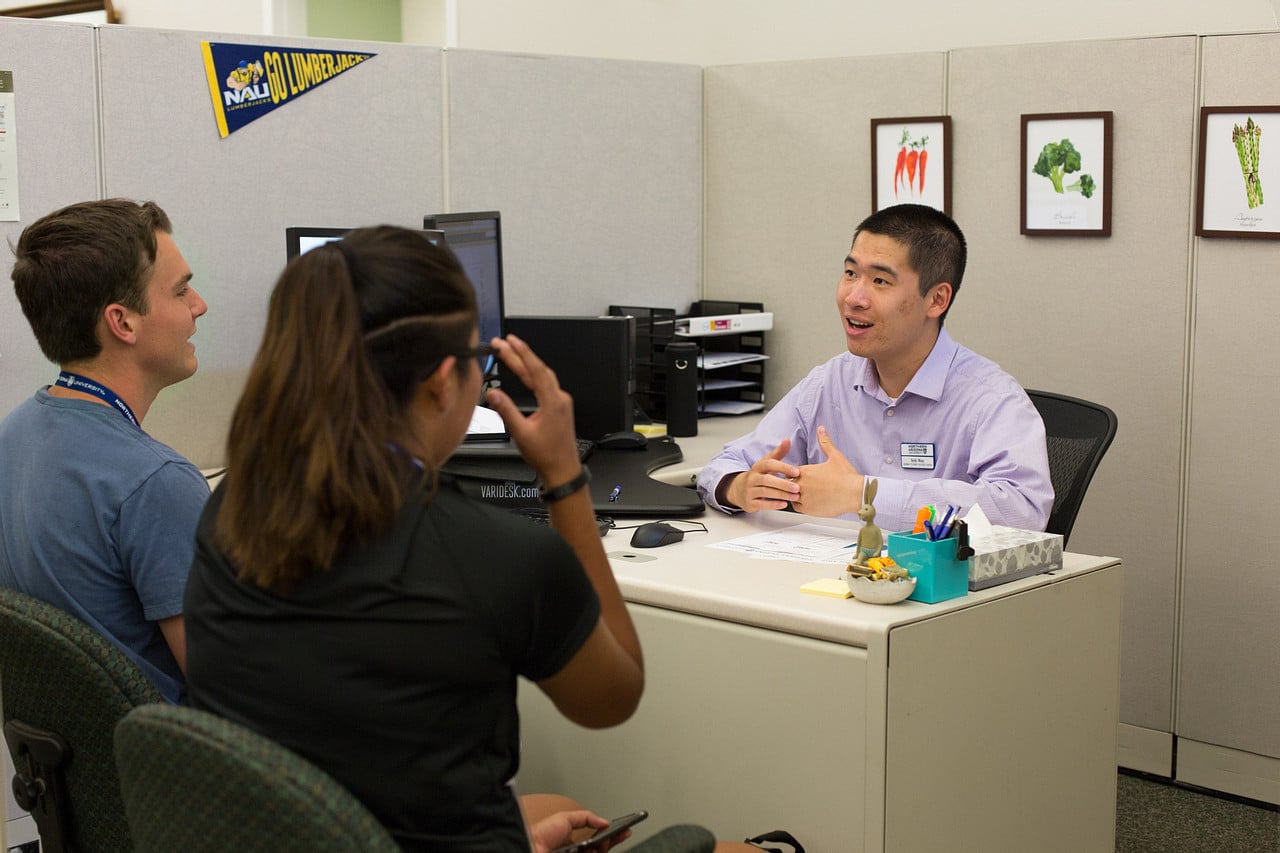
Make an appointment for a mock interview with a Career & Academic Advisor at the Gateway. You will need to provide the job description which specifies the hiring company or organization and your résumé tailored to that job description. Dress professionally and bring copies of your résumé or other items you would present at the real interview. The GSSC staff will meet and greet you as if they are the actual employer and will expect you to conduct yourself as if you are in a real interview situation right from the start. GSSC staff will conduct a 45 minute interview and allow for approximately15 minutes of feedback and any questions you may have. Be prepared to take notes and ask questions of the advisors.
-
Follow up.
After your interview, be sure to send a thank you note to the recruiter or hiring committee. This small gesture goes a long way.