Humans of NAU
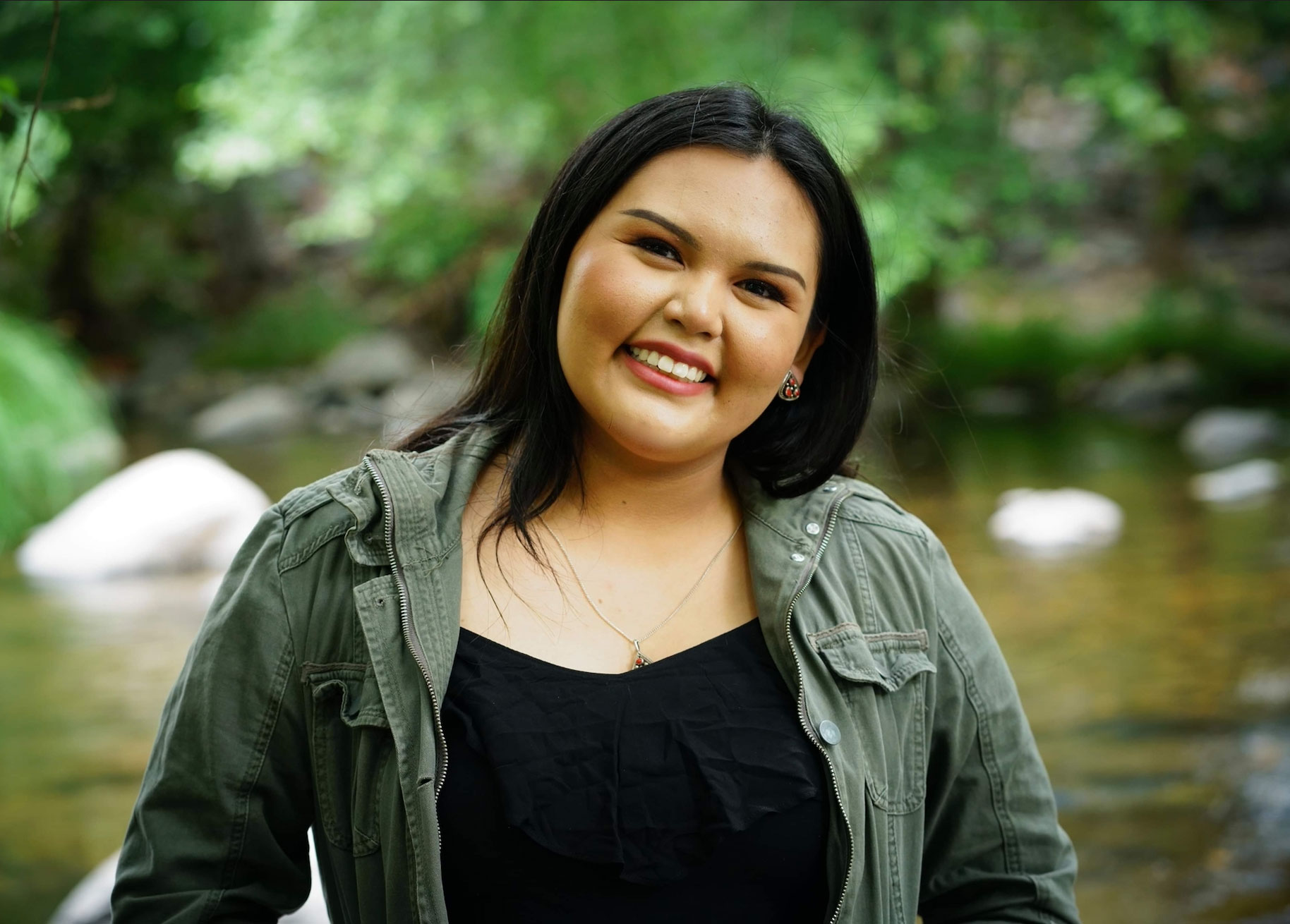
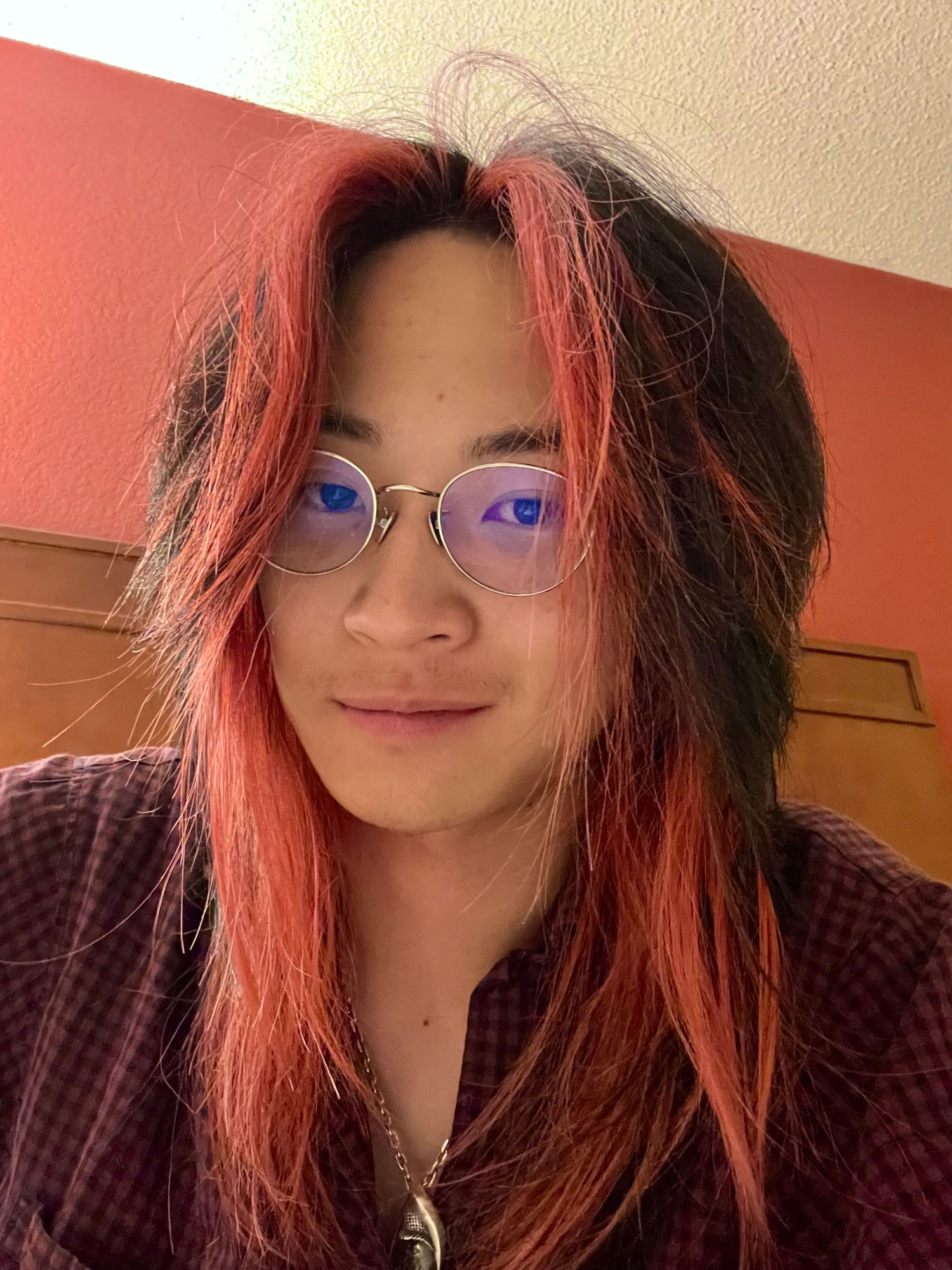
Humans of NAU: Brooke Graymountain Davis
Master of Public Health (MPH) student Brooke Graymountain Davis grew up on the Navajo Nation, where access to piped drinking water was scarce until just a few years ago. Her childhood experiences motivated her to confront health disparities in Native American communities in the Southwest and beyond. We caught up with Davis to hear why she chose NAU, what she’s doing in Washington, D.C., this summer as a Udall Congressional Intern and what she hopes to accomplish in her career. 
Campus & Community
NAU receives award for innovative study abroad program that increases access to international opportunities
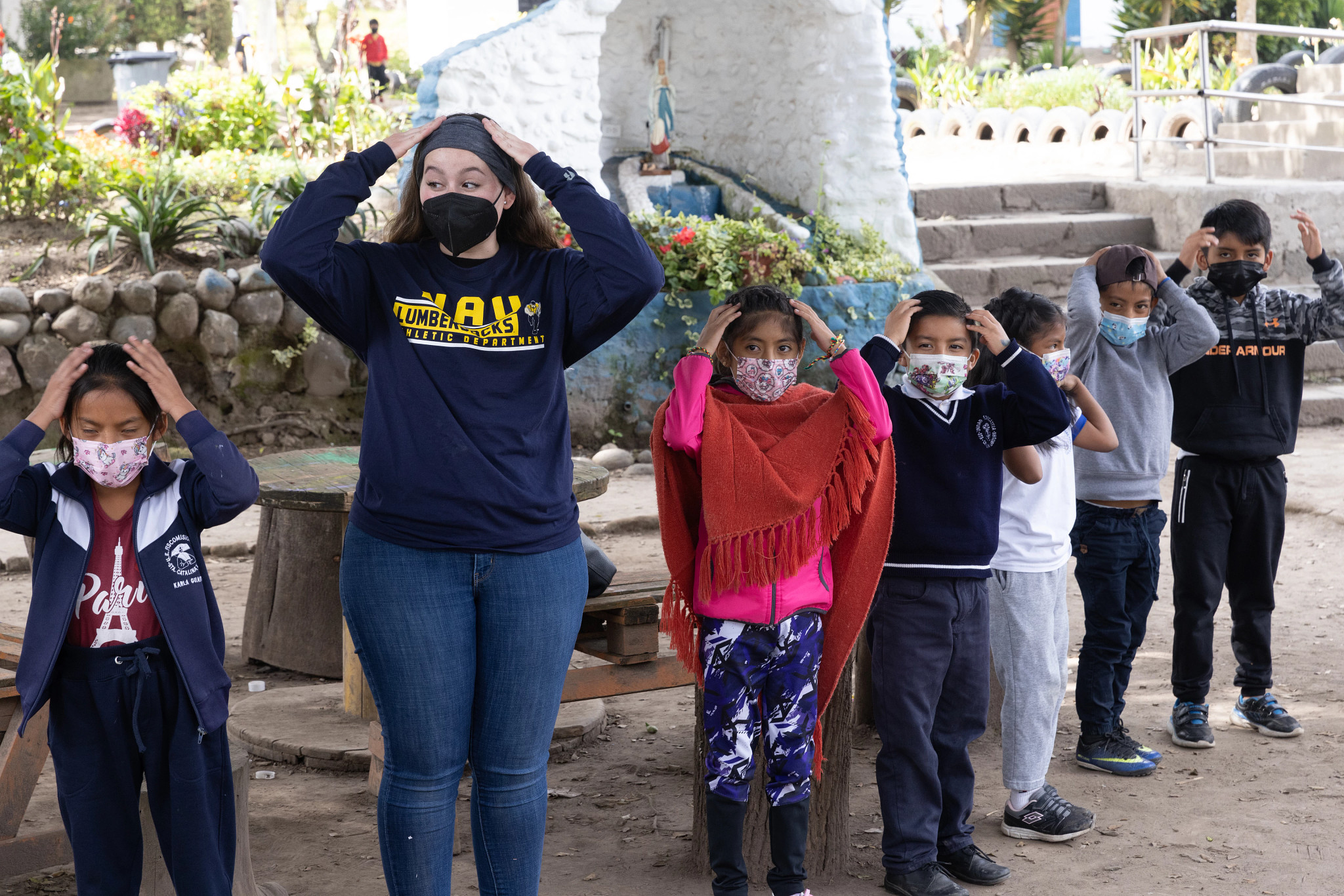
Preparing students to be part of the global economy is an important part of NAU's mission, but it can be an expensive endeavor. A multidisciplinary program at NAU was designed to make sure finances didn't stand in students' way. The Global Citizens Project Scholars program, a collaboration between CIE, the Honors College and the Economic Policy Institute, offers a unique, affordable international experience to Honors, Indigenous and first-generation students. It was recognized this week by the Institute for International Education for widening access to this life-changing educational opportunity. 
Research & Academics
A record-breaking year of research
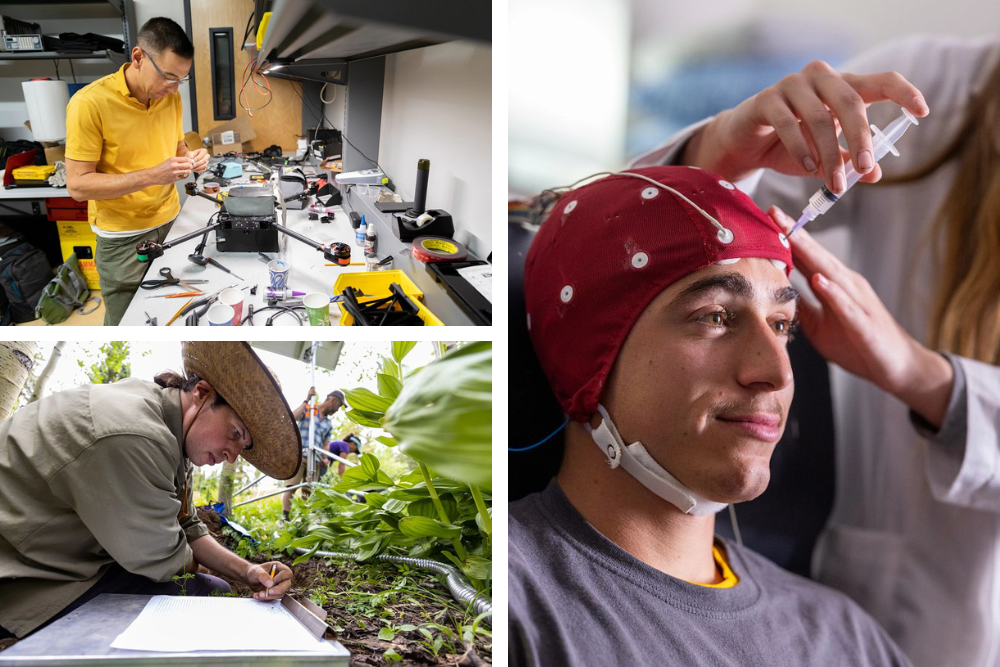
NAU saw the largest annual increase in research expenditures in fiscal year 2023, leading to a record-breaking amount of research in a year that also saw NAU's projected achievement in R1 research status. Leaders say it's a testament to NAU's teacher-scholar model and the university's mission of recruiting professors who can help students excel in the classroom while thriving in the research field as well. Learn more about the significance of these numbers for NAU's research program and meet three of NAU's researchers who are on the front lines of planetary science, health equity and inclusion. Campus & Community

For Earth Month, be USEFULL!
NAU has implemented a new program to reduce the waste of single-use containers on campus. The USEFULL program, currently being implemented at three campus dining locations, uses reusable stainless steel food containers that are digitally tracked via a phone app, allowing the university to save around 25,000 pounds of single-use plastics from entering the landfill. This USEFULL video explains the program. NAU, San Carlos Apache College ink partnership aimed at furthering educational opportunities for Indigenous students
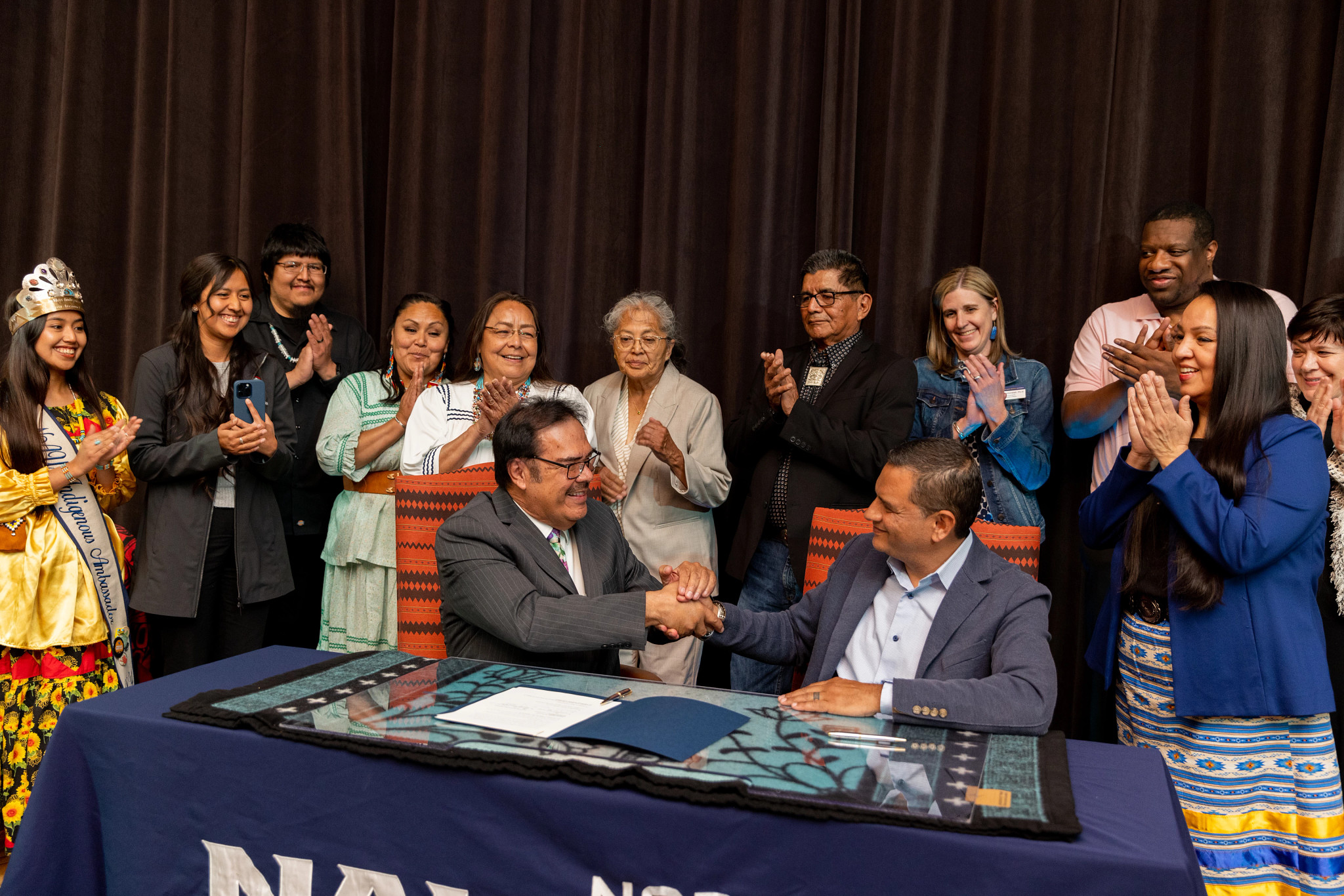
The partnership, which is the second of its kind that NAU has signed, will will strengthen collaborative opportunities at all levels between the two institutions, including for academic programming, faculty collaboration, student success initiatives and transfer and graduate education pathways. 
Get Involved to connect with your community at NAU
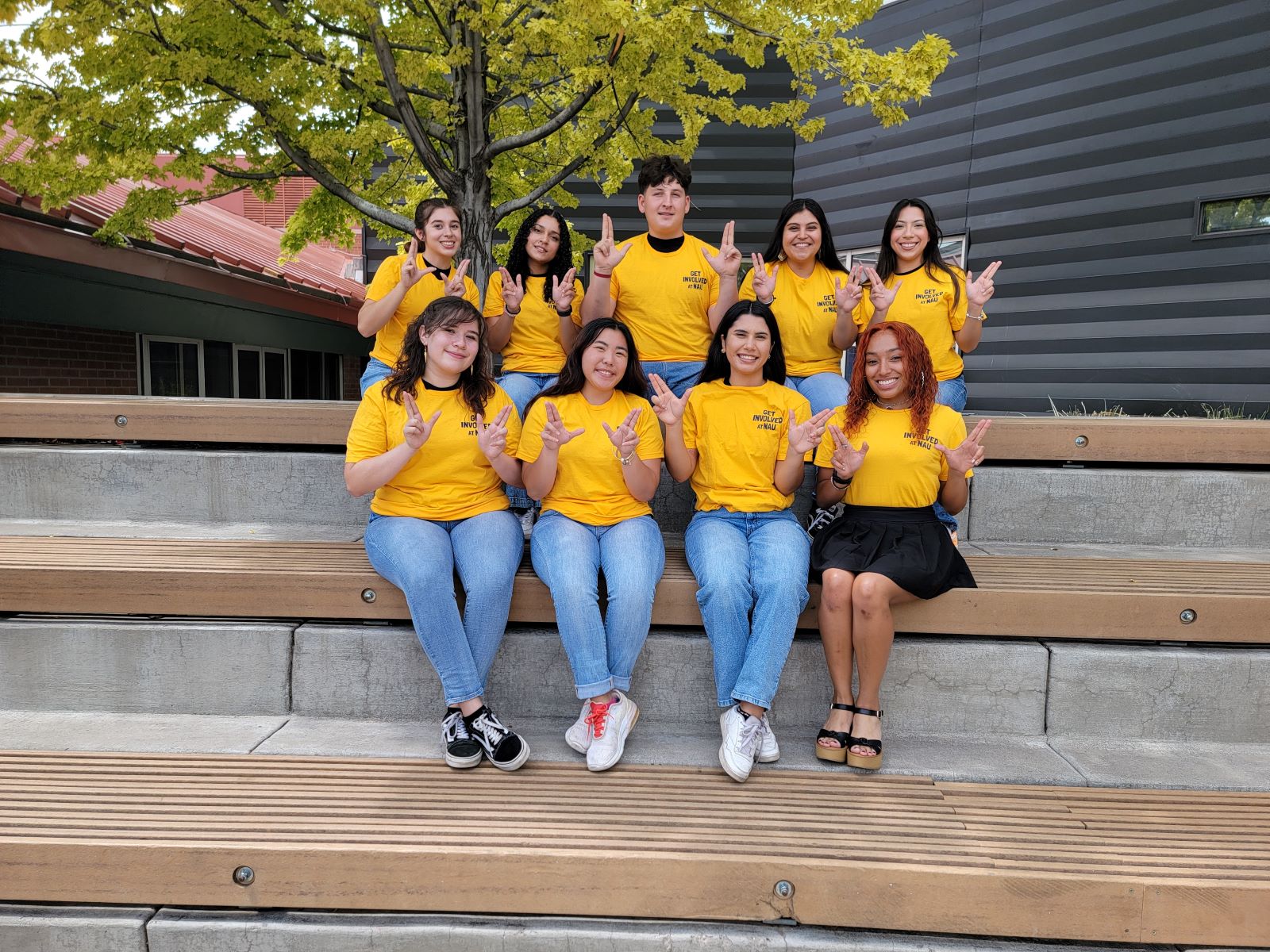
NAU’s Get Involved Program—recipient of an Elevating Excellence grant—helps students connect with the campus community. By maintaining an active social media presence, hosting events and managing the Lumberjack Lounge, GIP creates space where students, especially those from underrepresented backgrounds, can find personal and cultural connection and learn how to “get involved” with clubs and organizations that will help them succeed. Lumberjack Features

Humans of NAU: Yifan Pi
Worldwide, men make up just 6% of the pre-kindergarten teaching workforce—and that percentage is even lower in China, NAU student Yifan Pi’s native country. An early childhood education major at Shanghai Normal University Tianhua College, Pi seized the opportunity to spend his junior year at NAU, where he took classes at the College of Education and gained hands-on experience teaching alongside Stephen Riek at Flagstaff Cooperative Preschool. The aspiring teacher shared details from his time working and learning Flagstaff and revealed why he loves working with young children. Humans of NAU: Brooke Graymountain Davis
Master of Public Health (MPH) student Brooke Graymountain Davis grew up on the Navajo Nation, where access to piped drinking water was scarce until just a few years ago. Her childhood experiences motivated her to confront health disparities in Native American communities in the Southwest and beyond. We caught up with Davis to hear why she chose NAU, what she’s doing in Washington, D.C., this summer as a Udall Congressional Intern and what she hopes to accomplish in her career. 
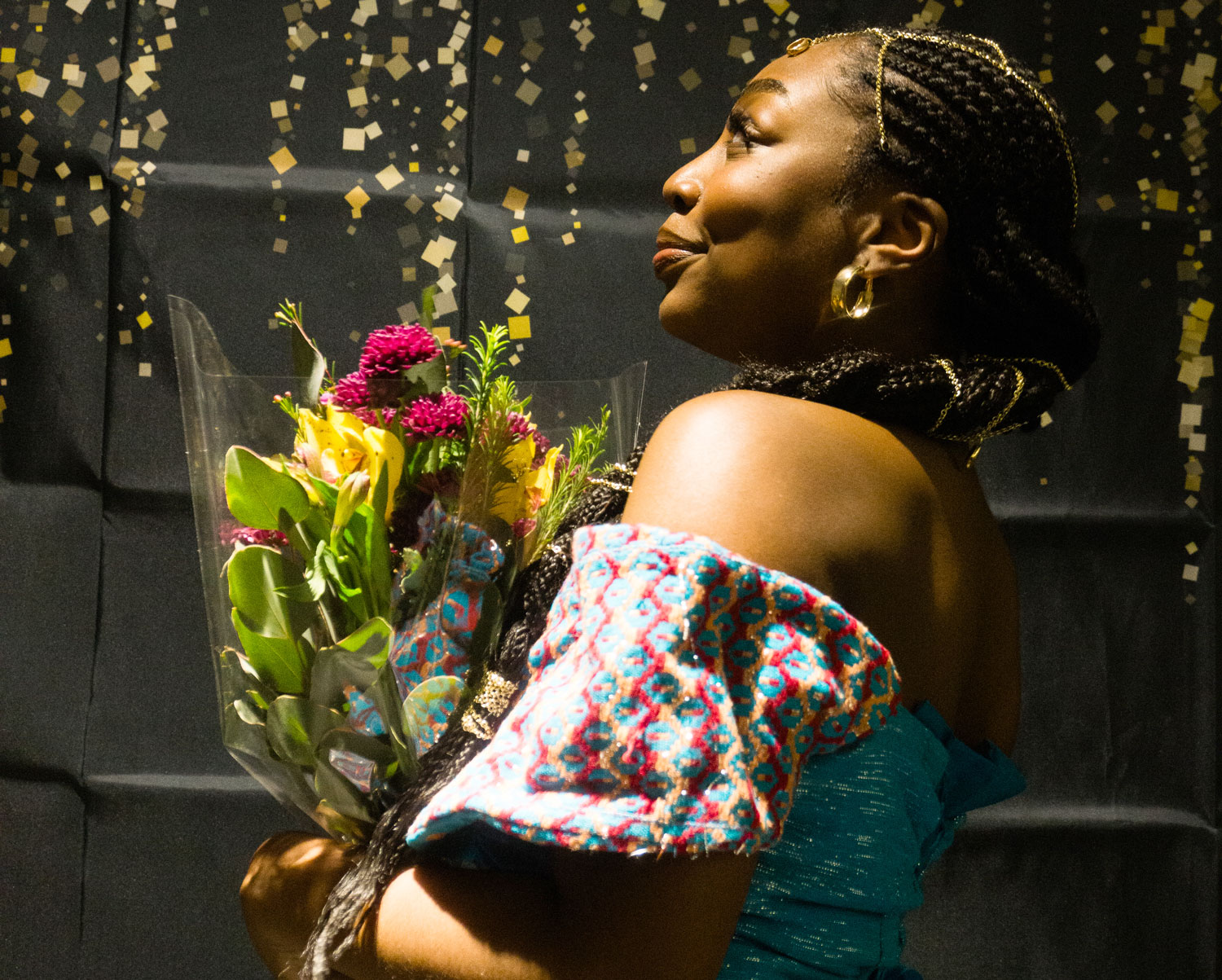
Humans of NAU: Cassie Bonah
Honors College senior Cassie Bonah aspires to be a doctor—but not all of her on-campus extracurriculars are directly related to her career goals. The daughter of Ghanaian immigrants, Bonah came to NAU in the midst of the pandemic, when it was tough to forge ties with others who looked like her. As the world opened up again, the biomedical sciences major resolved to bring Black students and employees together by organizing a fashion show that celebrated Black cultures and traditions from around the world.