Humans of NAU
Humans of NAU: Brooke Graymountain Davis
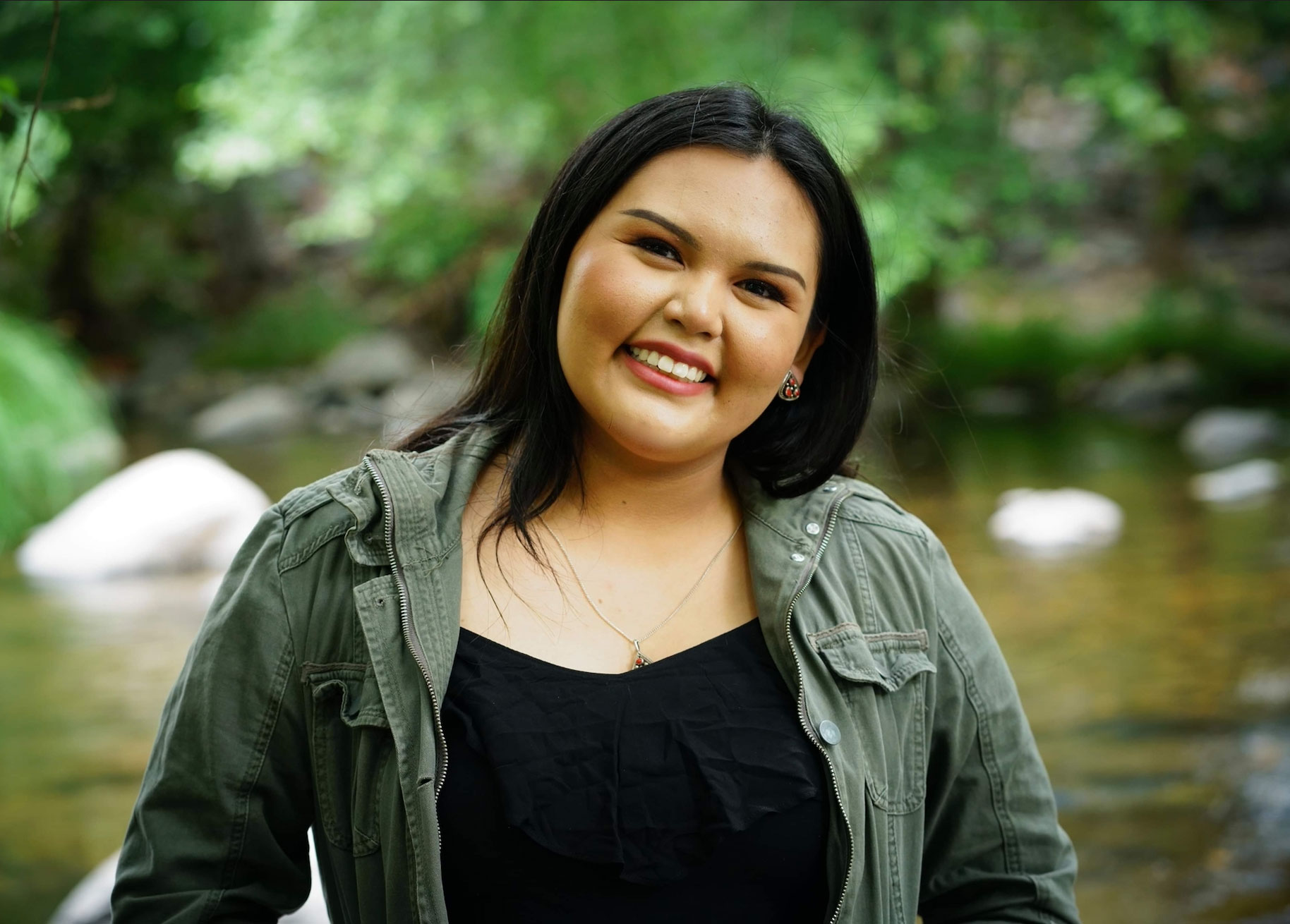
Master of Public Health (MPH) student Brooke Graymountain Davis grew up on the Navajo Nation, where access to piped drinking water was scarce until just a few years ago. Her childhood experiences motivated her to confront health disparities in Native American communities in the Southwest and beyond. We caught up with Davis to hear why she chose NAU, what she’s doing in Washington, D.C., this summer as a Udall Congressional Intern and what she hopes to accomplish in her career. 
Campus & Community
NAU receives award for innovative study abroad program that increases access to international opportunities
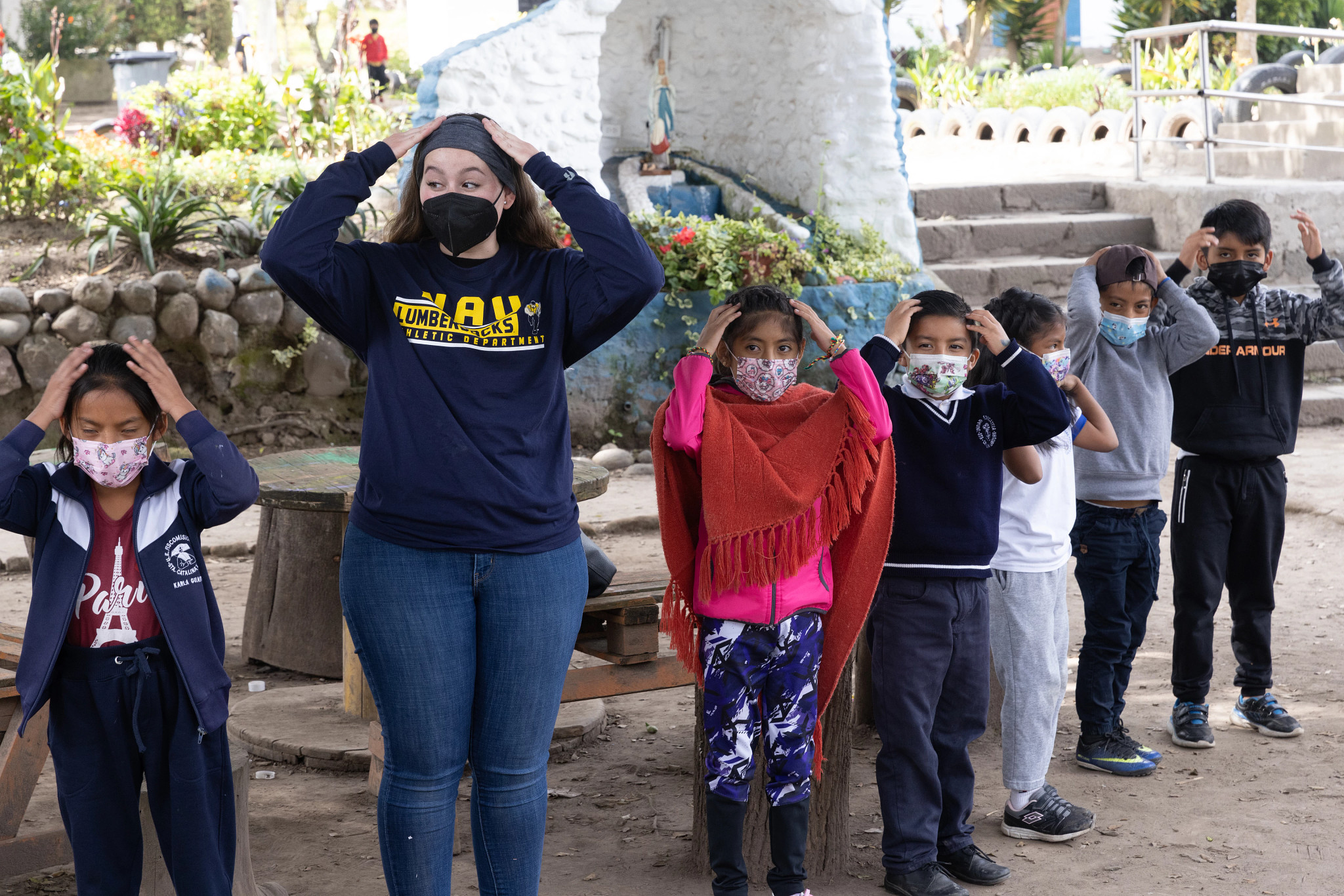
Preparing students to be part of the global economy is an important part of NAU's mission, but it can be an expensive endeavor. A multidisciplinary program at NAU was designed to make sure finances didn't stand in students' way. The Global Citizens Project Scholars program, a collaboration between CIE, the Honors College and the Economic Policy Institute, offers a unique, affordable international experience to Honors, Indigenous and first-generation students. It was recognized this week by the Institute for International Education for widening access to this life-changing educational opportunity. 
Research & Academics
A record-breaking year of research
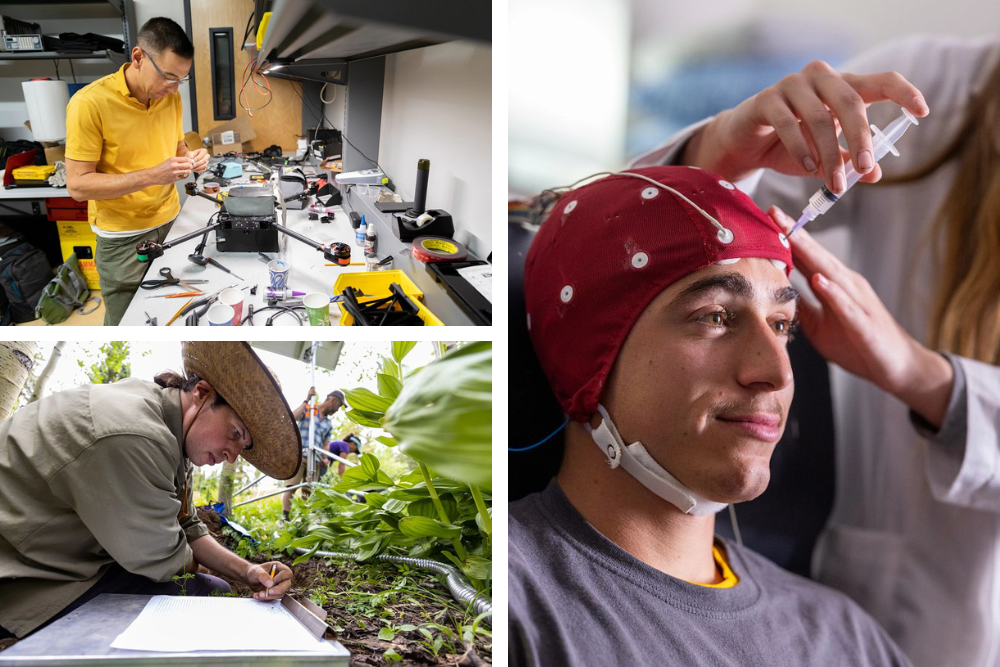
NAU saw the largest annual increase in research expenditures in fiscal year 2023, leading to a record-breaking amount of research in a year that also saw NAU's projected achievement in R1 research status. Leaders say it's a testament to NAU's teacher-scholar model and the university's mission of recruiting professors who can help students excel in the classroom while thriving in the research field as well. Learn more about the significance of these numbers for NAU's research program and meet three of NAU's researchers who are on the front lines of planetary science, health equity and inclusion. Campus & Community
NAU receives award for innovative study abroad program that increases access to international opportunities
Preparing students to be part of the global economy is an important part of NAU's mission, but it can be an expensive endeavor. A multidisciplinary program at NAU was designed to make sure finances didn't stand in students' way. The Global Citizens Project Scholars program, a collaboration between CIE, the Honors College and the Economic Policy Institute, offers a unique, affordable international experience to Honors, Indigenous and first-generation students. It was recognized this week by the Institute for International Education for widening access to this life-changing educational opportunity. 
NAU’s sustainability leaders: students, organizations and others who are making a difference
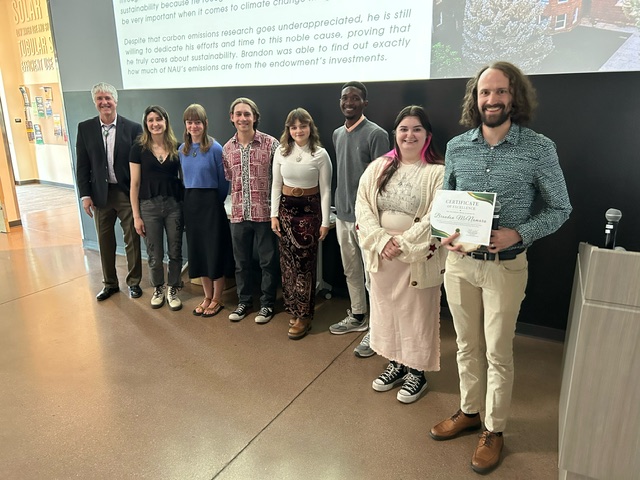
NAU's Office of Sustainability held its 12th annual award ceremony on Friday, conferring 16 awards to students, organizations and others in the community working to improve sustainability at NAU and in Northern Arizona. 
'9-1-1, what is your emergency? '
Police dispatchers Jennifer Hood and Jhordyn Bigelow play a crucial yet often overlooked role in maintaining the safety of the NAU campus community. For National Public Safety Telecommunicators Week, they offered a glimpse into what a day in their lives looks like and what students might not know about their duties. Lumberjack Features
Humans of NAU: Brooke Graymountain Davis
Master of Public Health (MPH) student Brooke Graymountain Davis grew up on the Navajo Nation, where access to piped drinking water was scarce until just a few years ago. Her childhood experiences motivated her to confront health disparities in Native American communities in the Southwest and beyond. We caught up with Davis to hear why she chose NAU, what she’s doing in Washington, D.C., this summer as a Udall Congressional Intern and what she hopes to accomplish in her career. 
Humans of NAU: Cassie Bonah
Honors College senior Cassie Bonah aspires to be a doctor—but not all of her on-campus extracurriculars are directly related to her career goals. The daughter of Ghanaian immigrants, Bonah came to NAU in the midst of the pandemic, when it was tough to forge ties with others who looked like her. As the world opened up again, the biomedical sciences major resolved to bring Black students and employees together by organizing a fashion show that celebrated Black cultures and traditions from around the world. 
Cultivate these traits for a thriving Flagstaff garden
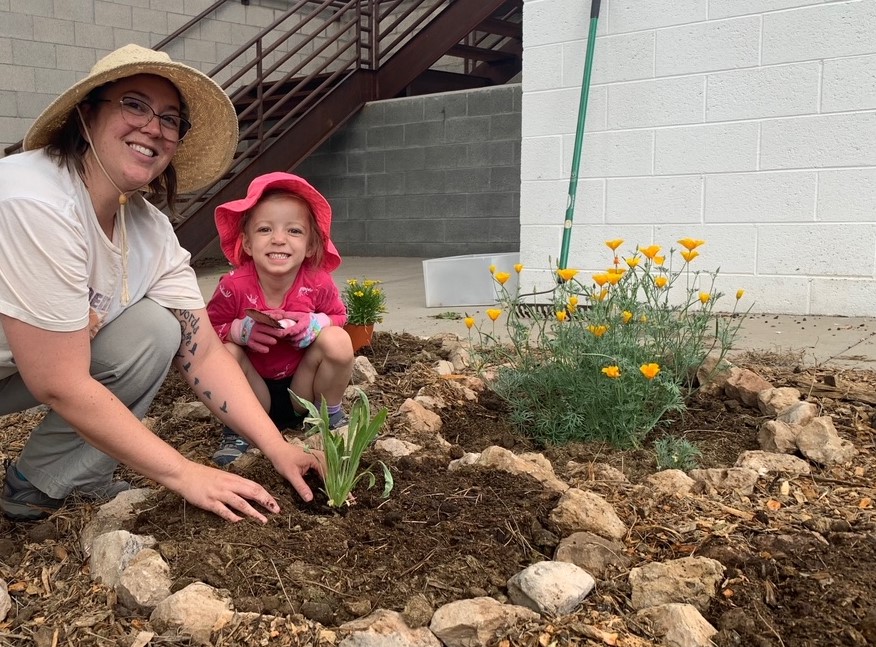
It's National Gardening Month and Janan Scott, Coconino Master Gardener and financial oversight analyst at NAU, knows that growing things in Flagstaff can be challenging. As spring approaches, she shares the traits she's developed that have led to her gardening success and offers advice for how other gardeners can cultivate those traits in themselves.