Campus & Community
Three NAU students awarded prestigious Udall scholarships
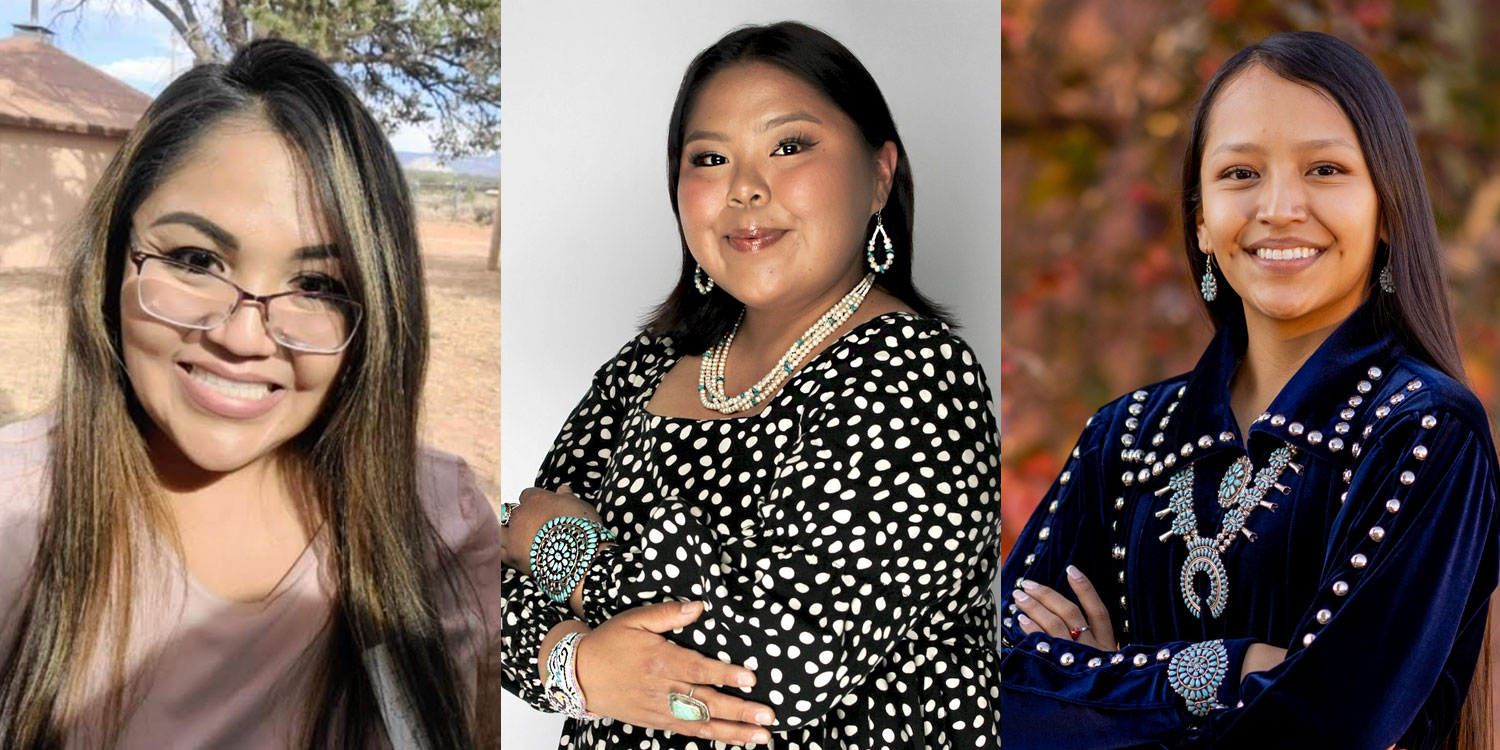
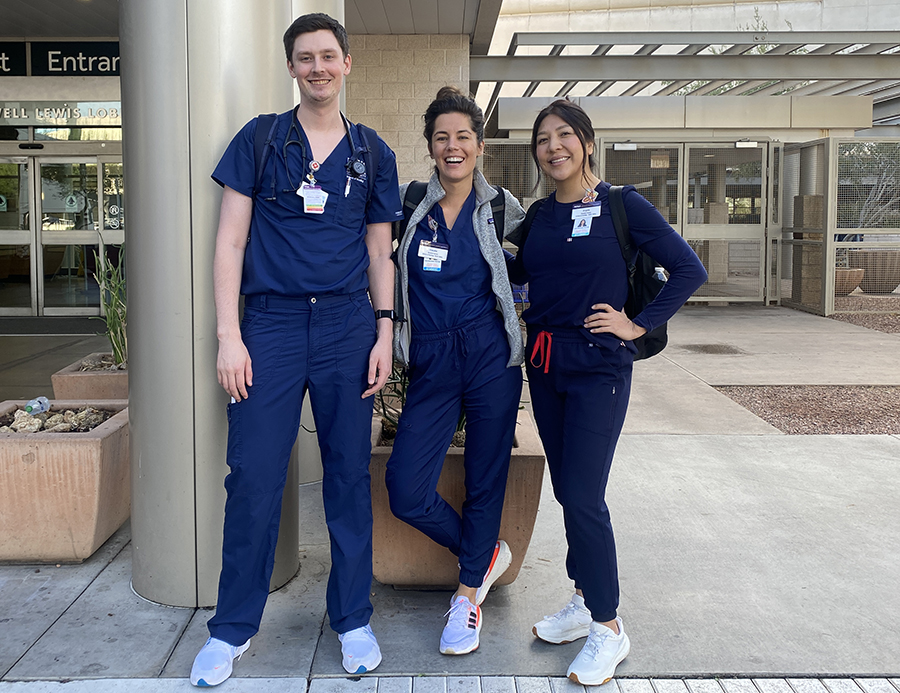
NAU juniors Chiara Holgate, Mariessa Fowler and Tracey Yazzie received the 2024 Udall scholarship, which recognizes just 55 students nationwide for their leadership, public service and commitment to issues related to Native American nations or the environment. The scholarship will help support the students as they work toward careers that will help them give back to their Navajo Nation communities. 
Research & Academics
The where, why and how of water in space
Laura Lee, a Ph.D. student in astronomy and planetary science, is one of three graduate students to be selected for the Graduate Research Fellowship Program, a prestigious funding opportunity that supports students in STEM fields. Using a variety of techniques with instruments on Earth and in space, Lee is mapping water in the Solar System to better understand how and where this critical element is located on other celestial bodies. In addition to her groundbreaking research, Lee’s career goals include community education and promoting opportunities for women, people of color and first-generation students in planetary science. 
Campus & Community
Graduate Jessica Marshall: Turning challenges into opportunities
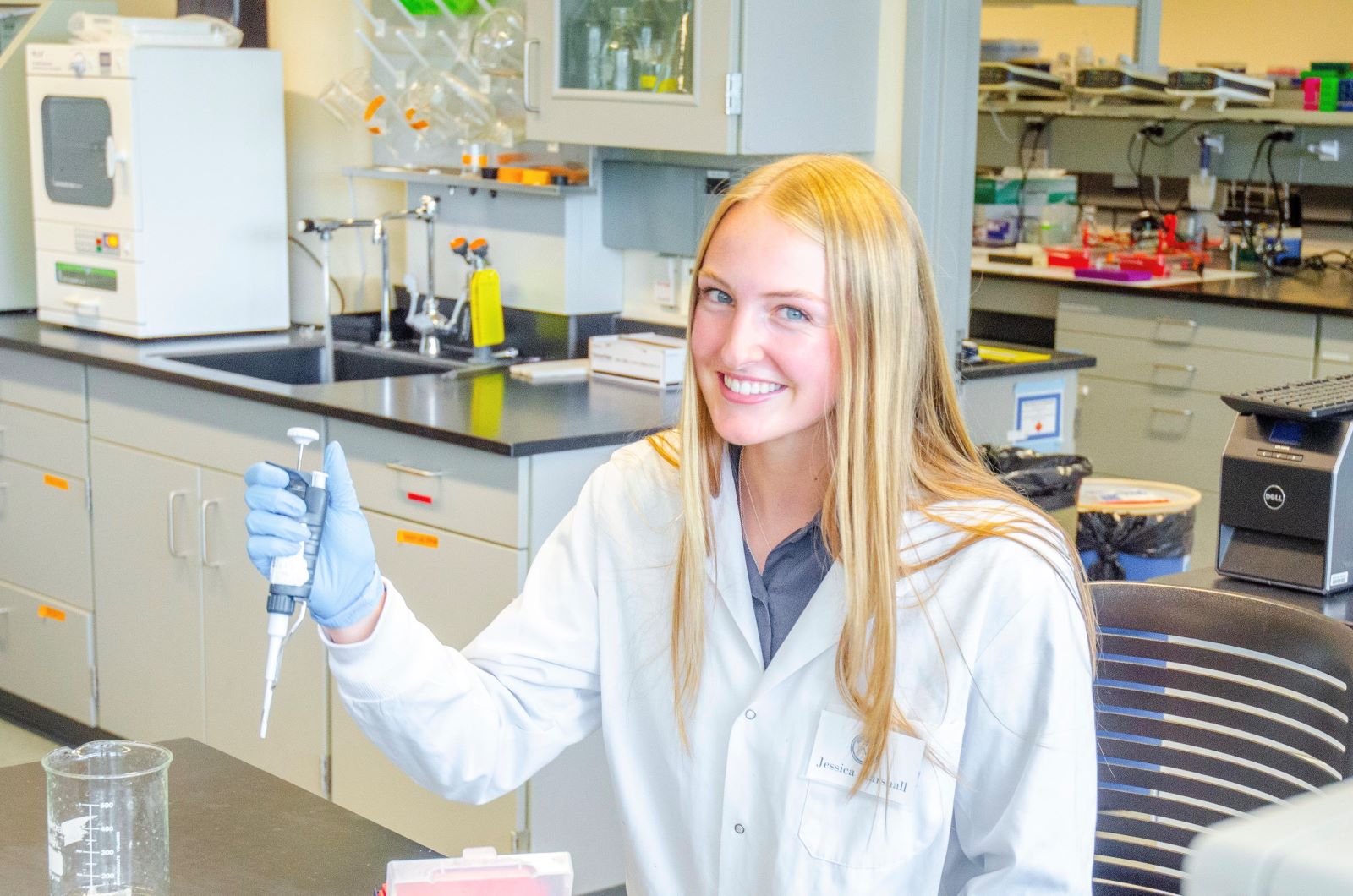
Selected as the distinguished senior for the College of the Environment, Forestry, and Natural Sciences, Jessica Marshall doesn’t shy away from challenges. Instead, she uses them to find opportunities—like working for NAU’s Pathogen and Microbiome Institute—and to build stronger community connections. Research & Academics

How to put ‘building a rocket’ on your resume
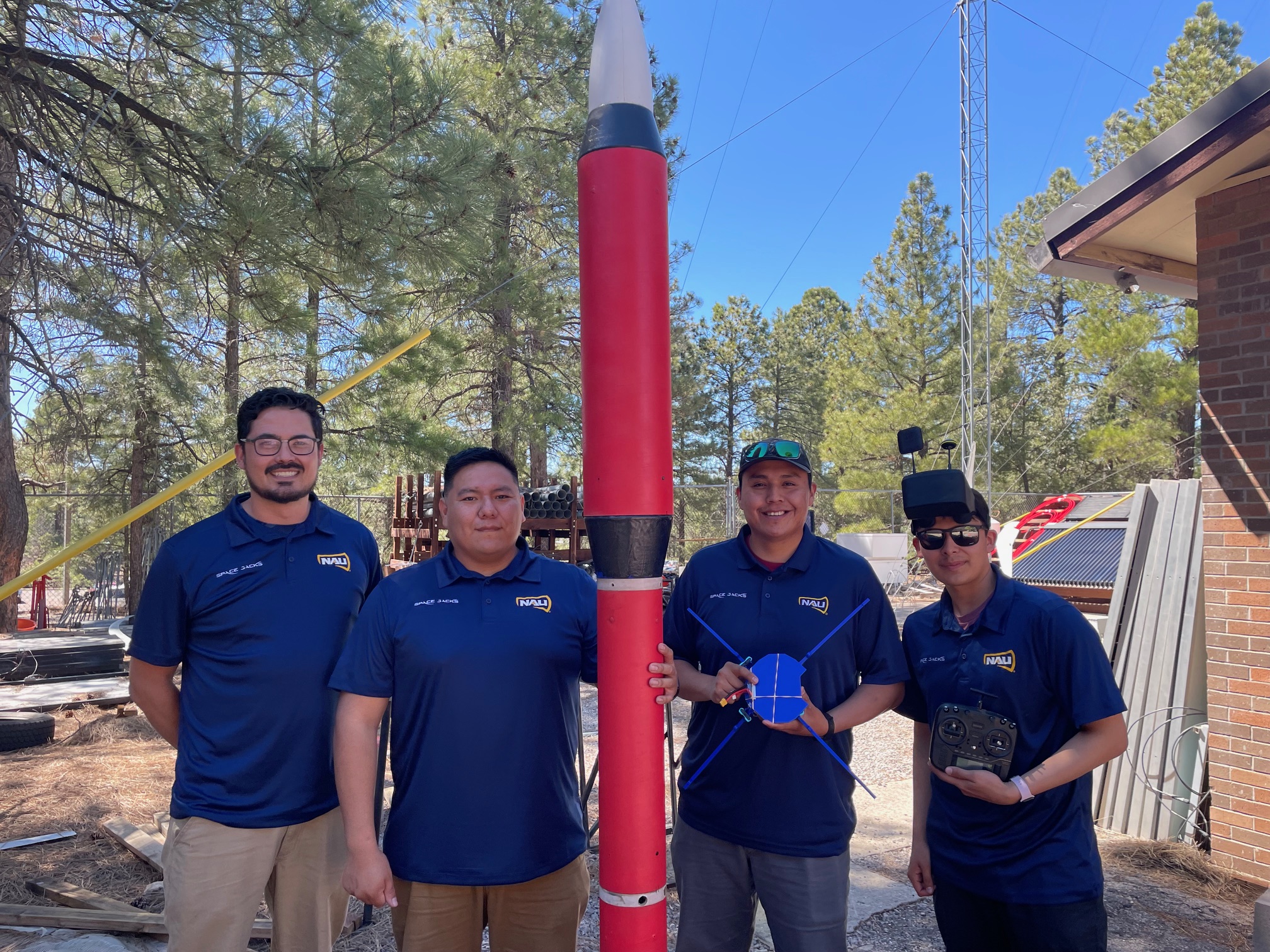
Step 1: Join Space Jacks. Step 2: Do the dang thing. Last month, three members of NAU’s rocket club took a 7-foot-tall rocket to the First Nations Launch in Wisconsin, where they launched said rocket 2,500 feet into the air carrying a drone—which they also built—then piloted the drone to the ground. The results of their work: a functioning rocket and drone, internships at major aerospace companies and the kind of experience that will get the students their first jobs in the industry. The where, why and how of water in space
Laura Lee, a Ph.D. student in astronomy and planetary science, is one of three graduate students to be selected for the Graduate Research Fellowship Program, a prestigious funding opportunity that supports students in STEM fields. Using a variety of techniques with instruments on Earth and in space, Lee is mapping water in the Solar System to better understand how and where this critical element is located on other celestial bodies. In addition to her groundbreaking research, Lee’s career goals include community education and promoting opportunities for women, people of color and first-generation students in planetary science. Mission to Mars: what a student-designed, student-built camera can teach us about the red planet
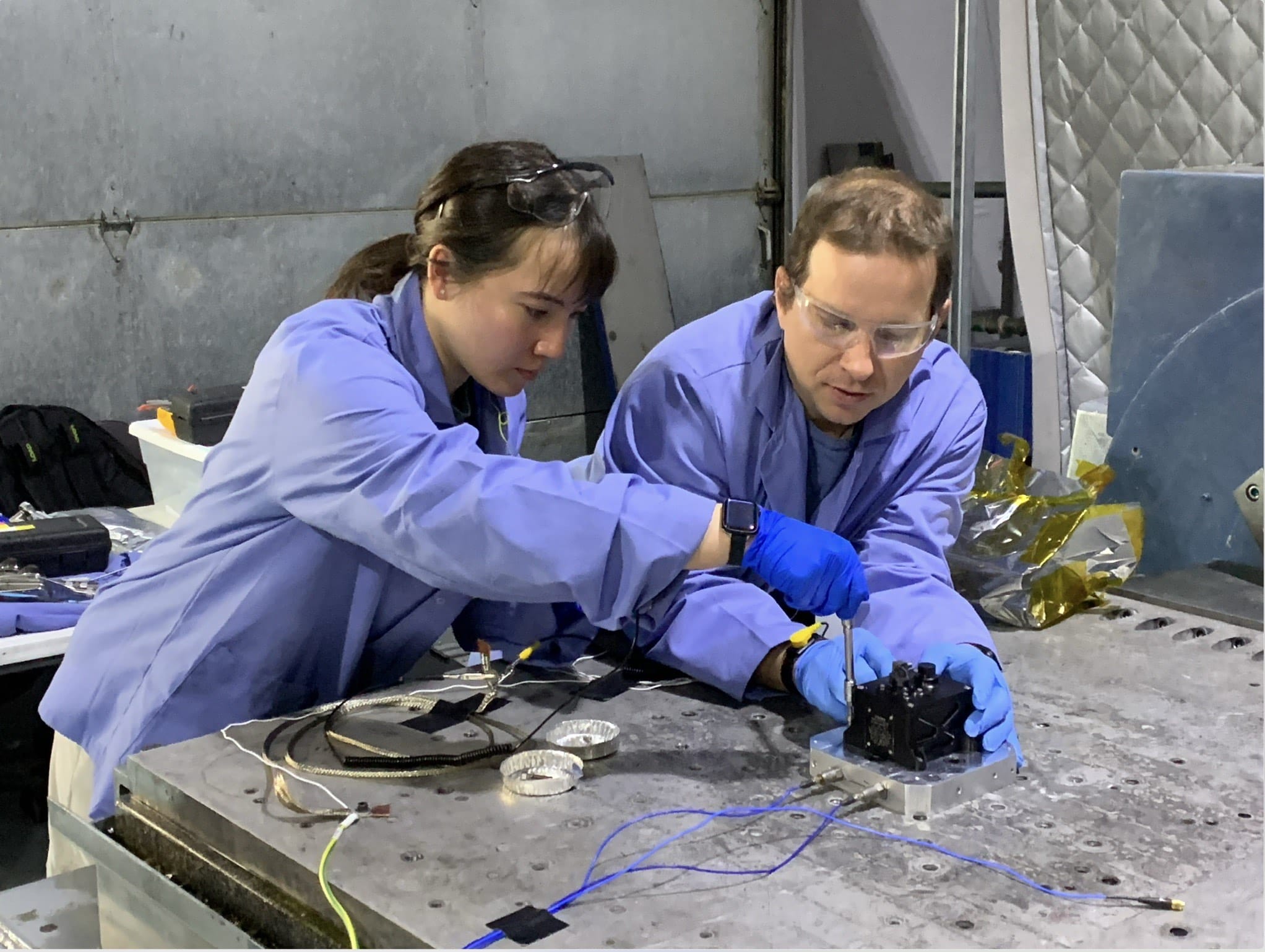
A camera built by NAU students will be included on a mission to Mars this fall. VISIONS is designed to capture both the visible and infrared spectrums simultaneously and to include an entire planet in a single frame—features that will allow it to better capture data about Mars' surface composition and climate. The camera, which was built using largely commercial grade components instead of custom parts, will serve as a technical demonstration that a low-budget camera relying on commercial components is suitable for missions of this caliber. Lumberjack Features

Humans of NAU: Marcy Hurtado
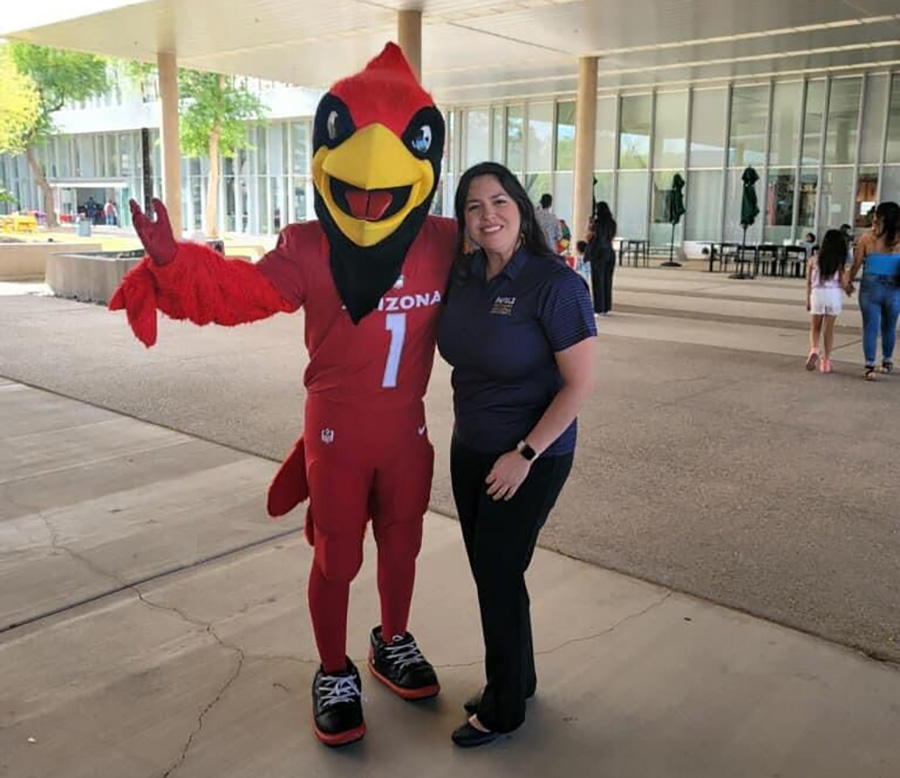
Marcy Hurtado found her professional home at NAU Yuma, where she is the director of enrollment management. She talks about the joy of seeing students in the YES program move from high school to college, her goal of graduating with her doctorate and how each day is different. 
Making connections on a field trip to the U.S./Mexico border
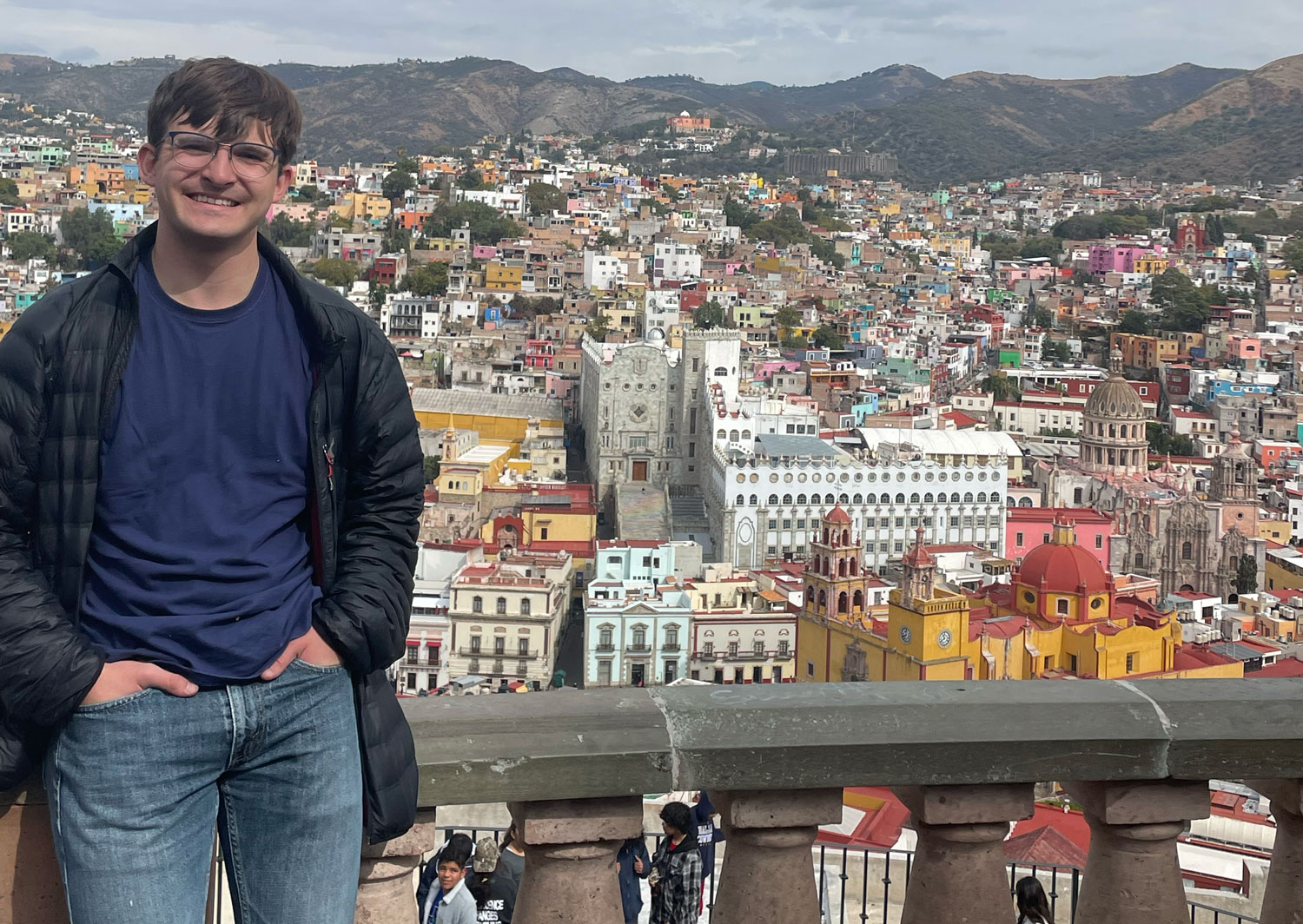
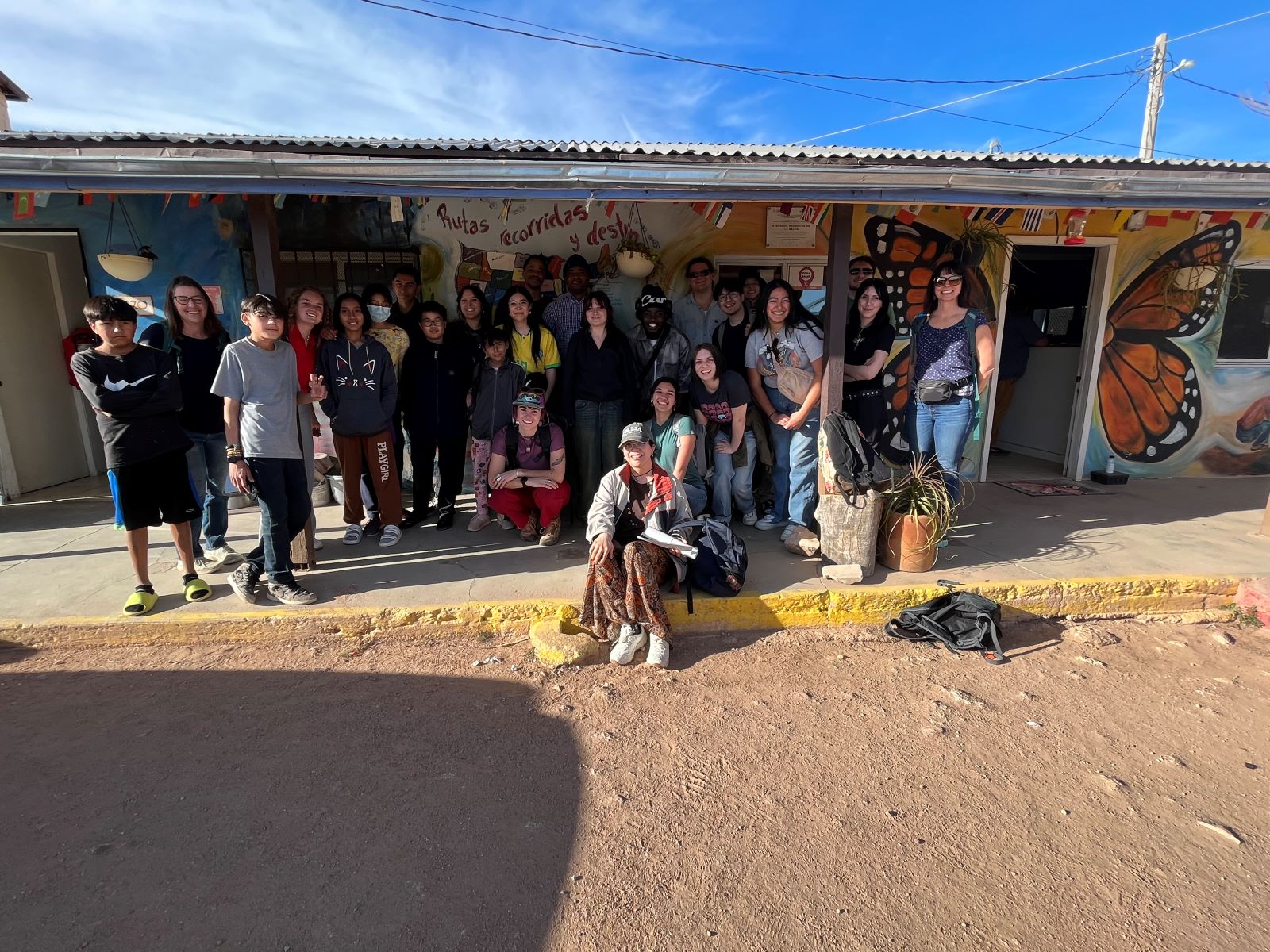
Students from Leah Mundell’s anthropology course, Global Migration and Human Rights, had their perspectives changed on a field trip to the U.S./Mexico border. Eileen Magaña reflects on the experiences she and three of her classmates—Erik Martinez, Owen Stark and Calvin Humphrey—had during their visits to Border Patrol, a community center in Nogales that aids border crossers, a humanitarian aid organization in Ajo that makes water drops and their conversation with a human rights activist and pastor from the Tohono O’odham Nation. 
Humans of NAU: Yifan Pi
Worldwide, men make up just 6% of the pre-kindergarten teaching workforce—and that percentage is even lower in China, NAU student Yifan Pi’s native country. An early childhood education major at Shanghai Normal University Tianhua College, Pi seized the opportunity to spend his junior year at NAU, where he took classes at the College of Education and gained hands-on experience teaching alongside Stephen Riek at Flagstaff Cooperative Preschool. The aspiring teacher shared details from his time working and learning Flagstaff and revealed why he loves working with young children.